
LCRB Fines Pub for Accepting Inducements – What’s an Inducement?
August 13, 2026
Provinces Sign Direct-to-Consumer Agreement Allowing Customers to Buy Liquor from Other Provinces – BC Says “Yes” but Not Until 2027
August 22, 2026
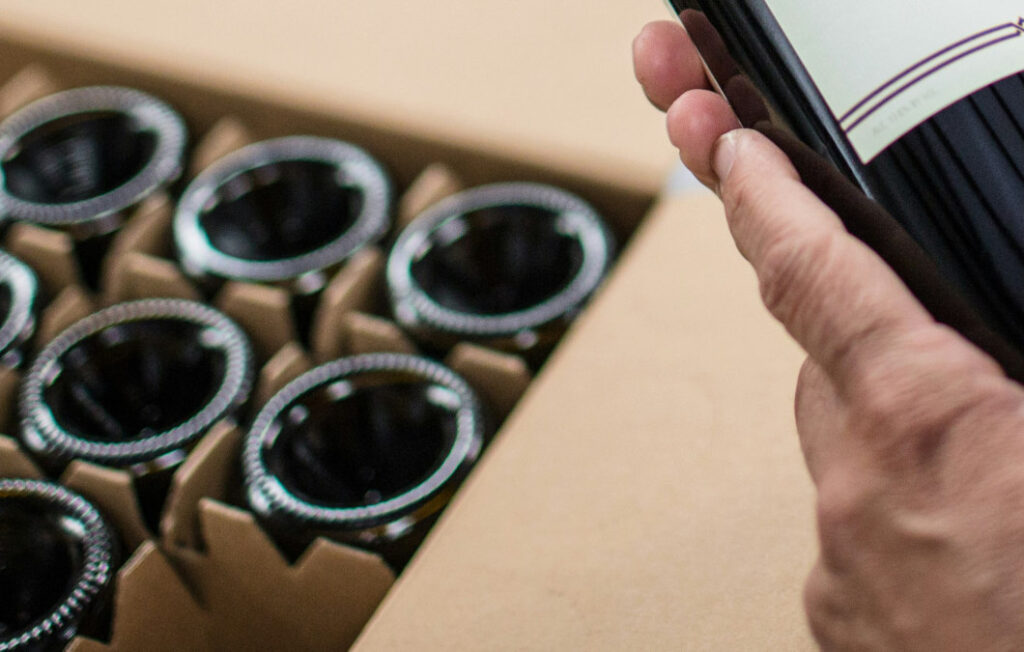
Canada has taken a significant step toward removing one of its long-standing interprovincial trade barriers, but will it benefit private BC liquor and wine retailers? On July 21, 2026, the premiers of nine provinces signed the Operating Agreement on Direct-to-Consumer Sales of Alcoholic Beverages, fulfilling commitments made in a Memorandum of Understanding signed in 2025.
The DTC agreement comes as Canada works to strengthen interprovincial trade amid ongoing trade tensions with the United States. Making it easier for Canadian liquor producers to reach consumers in other provinces can expand their domestic market and reduce some dependency on exports to the U.S.
Eight of the nine provinces are already implementing their approaches to direct-to-consumer sales, allowing consumers to purchase Canadian wine, beer, spirits and other eligible alcoholic beverages directly from licensed producers. While the BC Liquor & Cannabis Regulation Branch already permits direct-to-consumer sales of Canadian wine, the province has committed to expanding the system to all eligible alcohol categories by February 2027.
Will the Agreement Benefit Private BC Liquor Retailers?
The benefits for BC’s private liquor retailers are much less direct than they are for Canadian producers and consumers. The new agreement is designed primarily to allow licensed producers to sell directly to consumers across provincial borders for personal consumption.
For a retail BC liquor licensee, interprovincial DTC sales may result in both opportunities and potential competitive challenges.
Increased Access to Canadian Products Could Build Consumer Interest
One possible benefit is increased consumer awareness of Canadian-made products. A BC customer who discovers a small Ontario distillery, Alberta brewery or Nova Scotia winery through direct ordering may subsequently look for similar Canadian products locally.
Independent liquor stores may be able to capitalize on that interest by:
- Expanding their selection of Canadian-made products
- Highlighting products from different provinces
- Creating Canadian-focused displays and promotions
- Introducing customers to smaller or less visible Canadian producers
Direct Sales May Also Mean More Competition
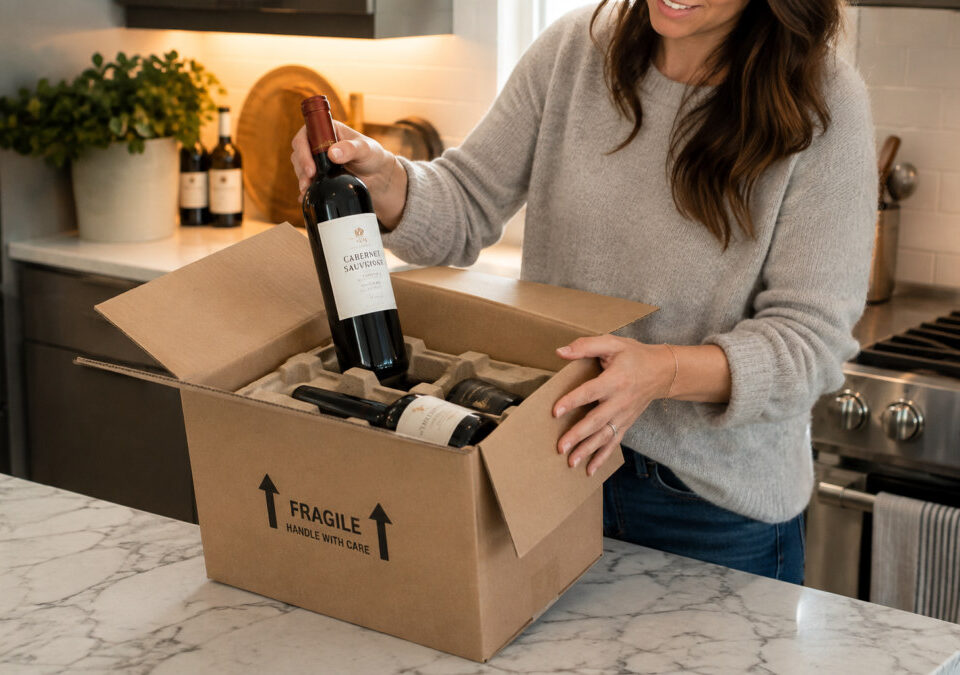
Direct-to-consumer sales create an additional purchasing channel that does not require the customer to visit a liquor store.
For example, the expanded DTC system could mean:
- A customer looking for a particular craft beer or small-batch spirit can order it directly from an out-of-province producer rather than asking a local retailer to stock it
- Smaller Canadian producers can reach BC liquor consumers without first establishing a presence in BC private liquor stores
- Private liquor stores face additional competition for customers interested in specialty and harder-to-find Canadian products
As CBC reported, removing provincial barriers is intended to give Canadian producers access to customers they have historically had difficulty reaching.
If direct-to-consumer sales increase competition, private BC liquor and wine stores may have to increase “buy local” marketing, reminding customers of the convenience, personal service and community benefits of supporting their local liquor retailer.
Prepare Your Private BC Liquor or Wine Store for a Changing Market
Interprovincial direct-to-consumer sales illustrates how Canada’s liquor marketplace is always evolving. For private liquor stores and wine stores, adapting to changes in regulation, competition and consumer purchasing habits is the name of the game.
Thrive Advisors BC liquor license expertise helps retail liquor businesses adapt and succeed in a changing regulatory landscape.