Canadian Liquor Excise Tax & Relief for Brewers, Costs Still Rise for Consumers
May 20, 2026
LCRB Announces BC Liquor Licensee-to-Licensee Direct Sales Trial
June 9, 2026
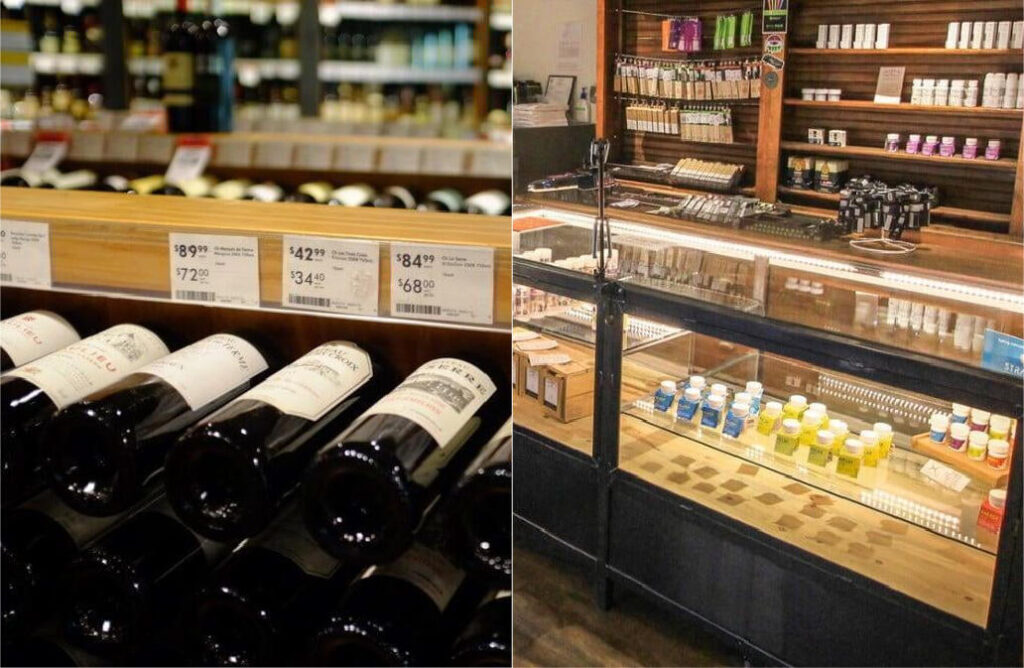
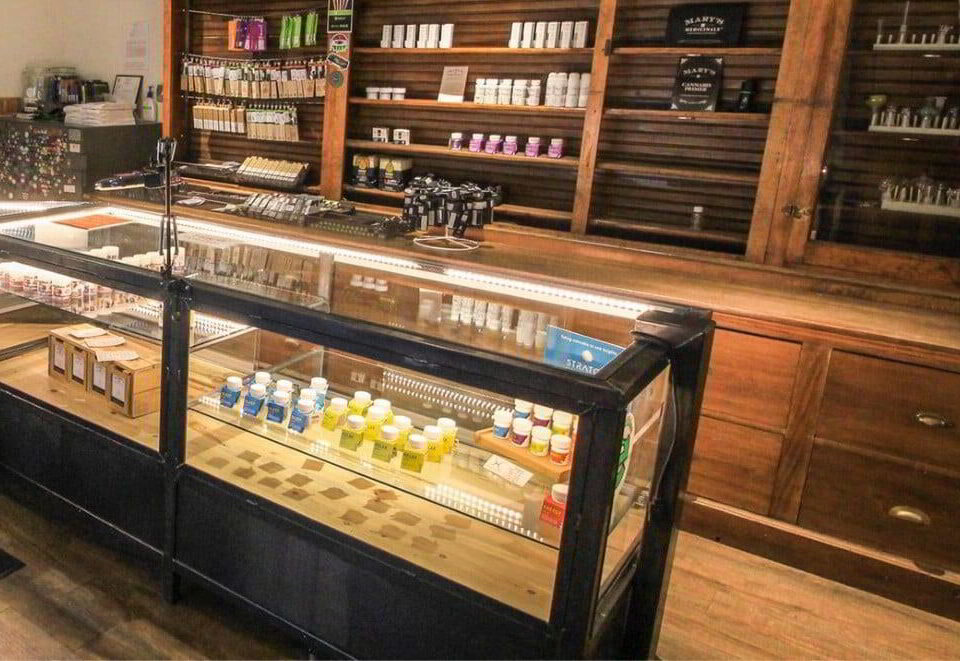
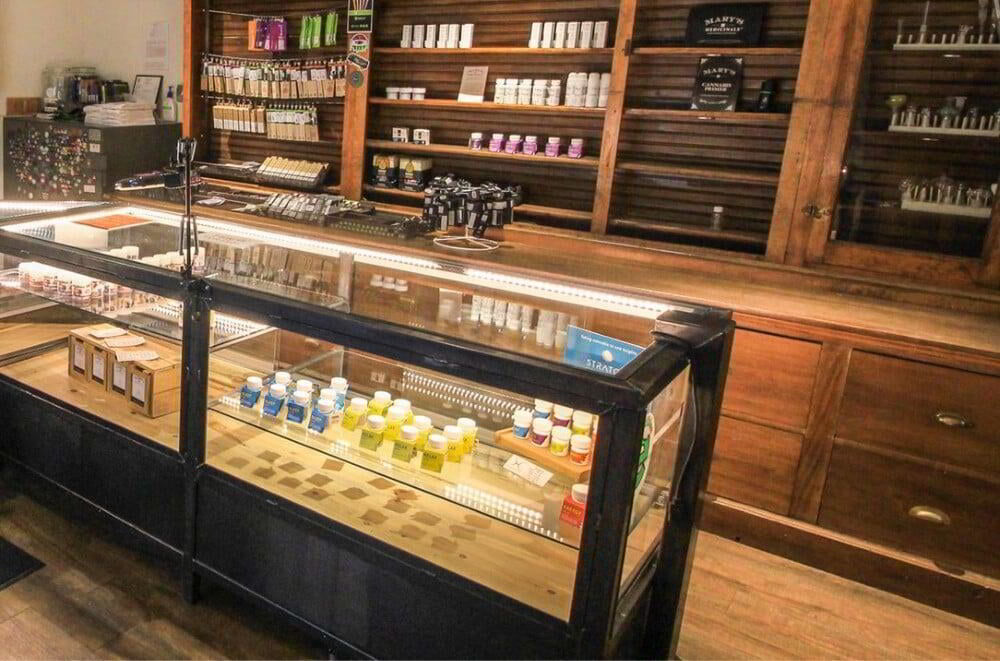
Before you buy a retail liquor licence (LRS) or retail cannabis licence (CRS) in BC, you need to understand what that actually means. It’s not simply a matter of taking over the lease. You are almost always purchasing both the licence and a turnkey business operation including assets, and as new owner (or partners), you’ll also undergo a stringent application process.
What Buyers Are Usually Purchasing
In most cases, when you purchase a liquor license or cannabis license, it includes:
- The retail licence itself
- Existing leasehold improvements
- Fixtures, shelving, coolers, and other equipment
- Inventory
- Point-of-sale systems and security systems
- Existing customer traffic and brand recognition
- Approved store layouts
Buying a license eliminates many of the headaches and the time it takes to get the new business up and running. You bypass the growing pains of other start-ups: finding a location, leasing or purchasing a property, planning the layout and building the store.
Another important advantage to buying an existing cannabis store or liquor store is that many employees will choose to remain with the new business after the sale completes. These employees already have knowledge of daily operations, compliance procedures, inventory, consumer demand and customer relationships. Keeping existing employees drastically reduces start-up hiring pressures, employee acquisition and training costs.
Licence Transfers Are Not Automatic
One common misconception buyers have is that the licence transfers automatically as part of the sale. In reality, approval is required from the BC Liquor and Cannabis Regulation Branch (LCRB) before the new owner can legally operate under the licence.
When buying a liquor license or cannabis license, buyers must:
- Provide detailed company ownership and corporate structure information
- Disclose company directors, shareholders, and business partners
- Disclose personal information about themselves and partners
- Be subject to background screening including a criminal record check
Transfer timelines can vary depending on:
- Application completeness
- Ownership structure complexity
- Existing compliance concerns associated with the store
- Number of other license transfers awaiting LCRB processing
Application incompleteness can result in delays. Most buyers work with a consultant to guide them through the liquor license application or cannabis license application.
Read about transferring a liquor license. Read about transferring a cannabis license.
Due Diligence Goes Beyond Financials
While you or your accountant should go over a seller’s financials, regulatory due diligence is equally important. Buyers should carefully review the store’s compliance history and overall operational condition before proceeding.
Areas to review include:
- Past enforcement actions or warnings
- Existing licence conditions or restrictions
- Store layout approvals
- Security requirements and surveillance systems
- Lease terms affecting store operations
Store Layout and Licenses Are Connected
Buyers often don’t realize that the store layout is directly tied the existing license. Any planned changes will have to be approved by LCRB.
Considering Buying a Retail Liquor License or Cannabis License? Talk to Thrive!
A successful purchase usually involves several professionals working together. Realtors, accountants, lawyers, and licensing consultants – such as Thrive Liquor & Cannabis Advisors. Our consultants can help identify issues specific to buying a liquor or cannabis store in BC.